Sorry, there are currently no trials for in . Showing nearby available trials.
Showing Results for
The Problem
Jump to the SolutionTar Spot
- Cause: Phyllachora maydis
- Environment: Cool to moderate temperatures combined with prolonged leaf wetness.
- Timing: Can be observed pre-tassel but often becomes more aggressive later in the season (R3 to R5).
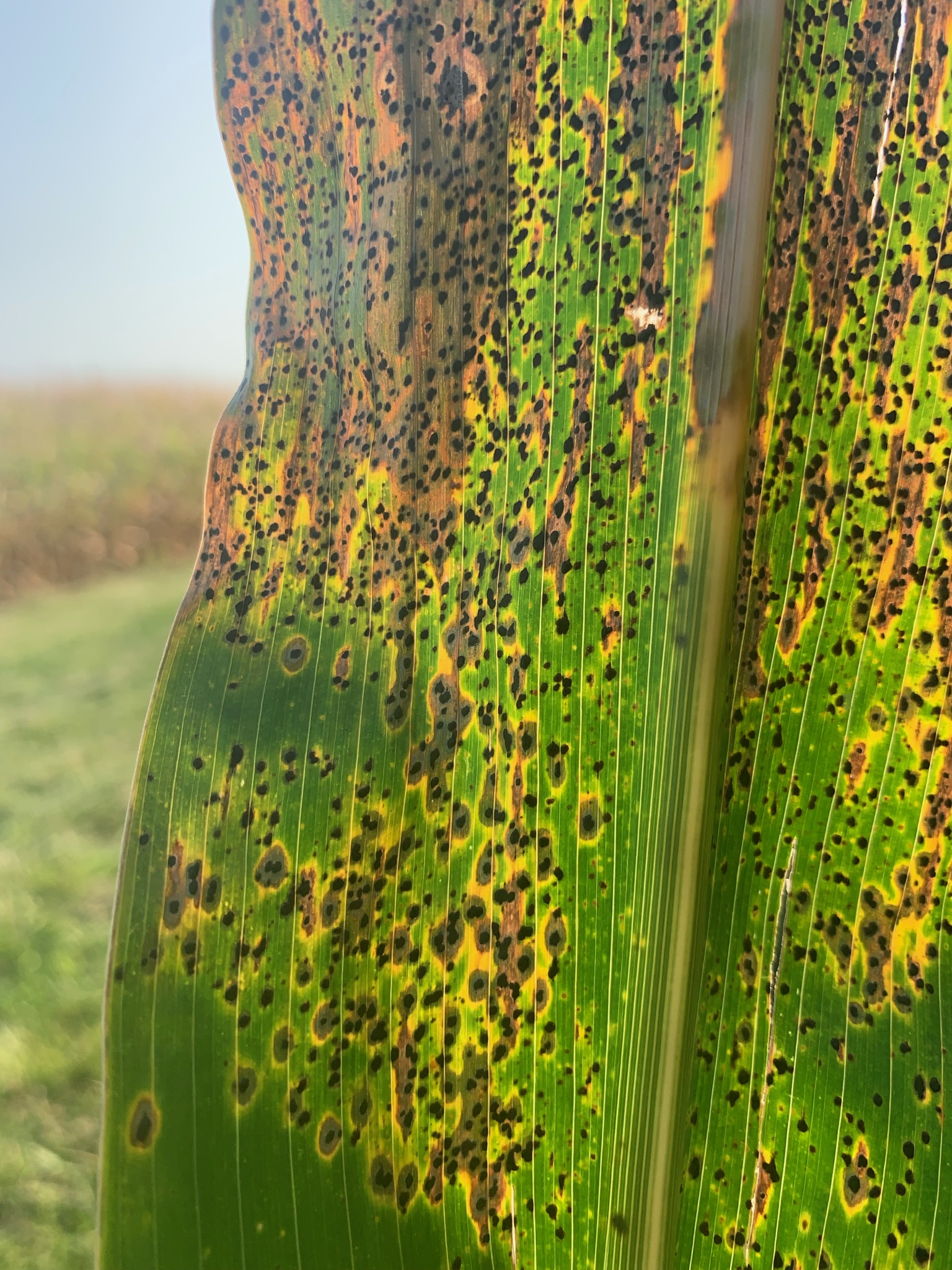
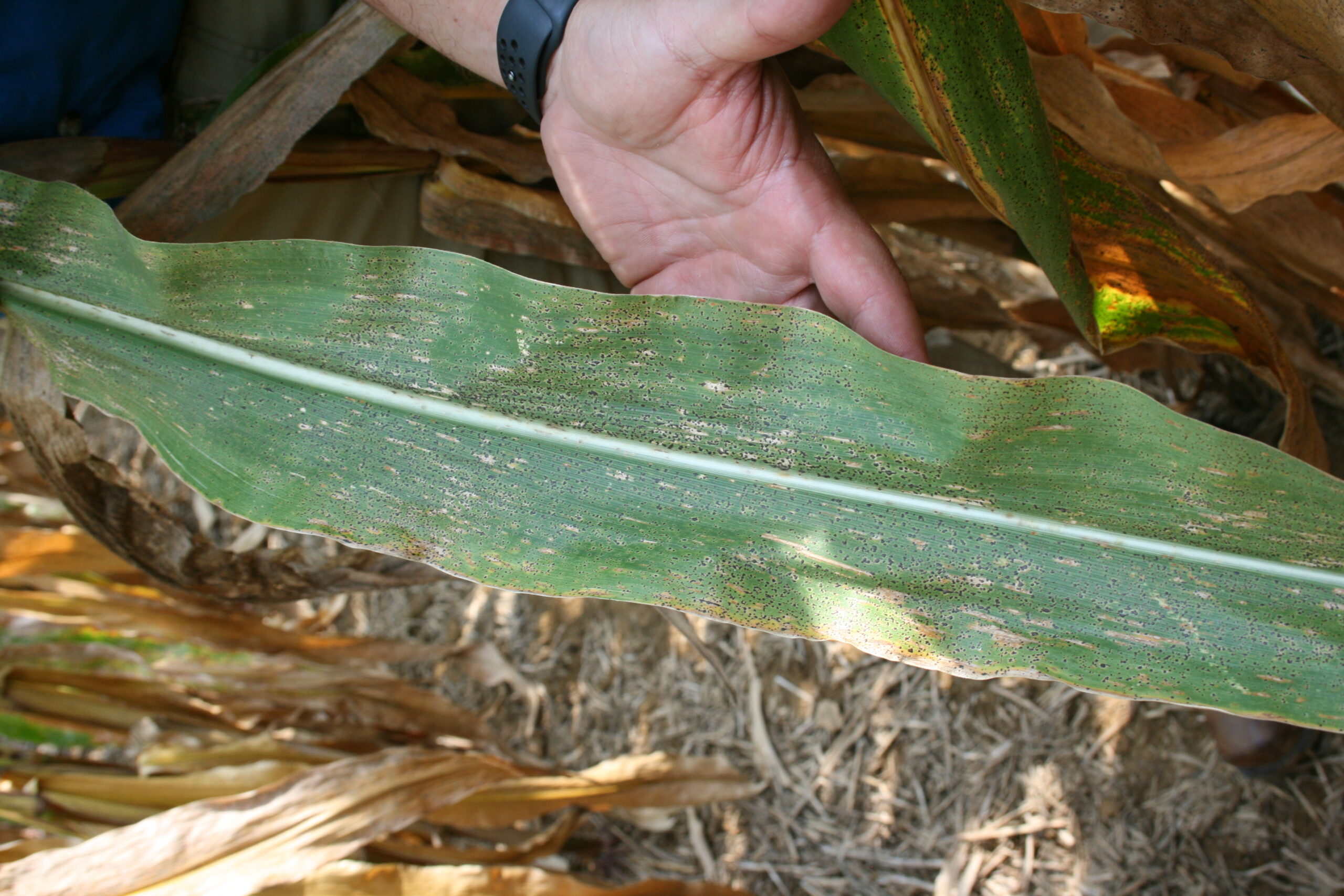
- Appearance: Small, raised, black lesions that resemble flecks of tar on the leaf surface. Lesions do not rub off and may be surrounded by chlorotic or necrotic tissue.
- Risk: Rapid loss of photosynthesis leaf area, premature plan death, reduced kernel fill and yield loss.
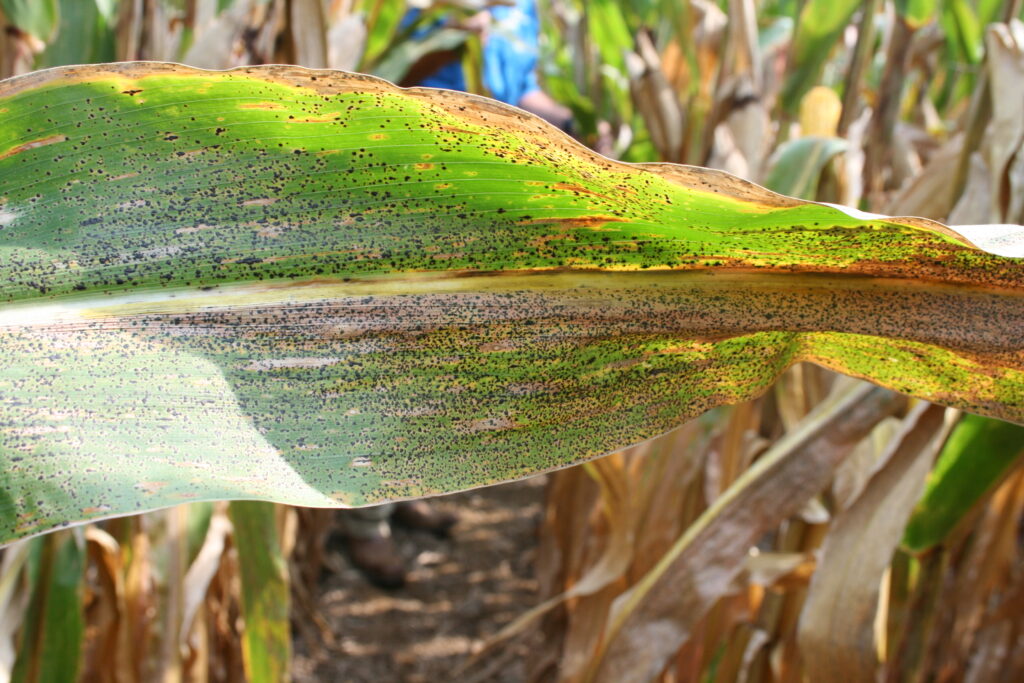
Corn leaf with visible tar spot symptoms – small, raised black spots
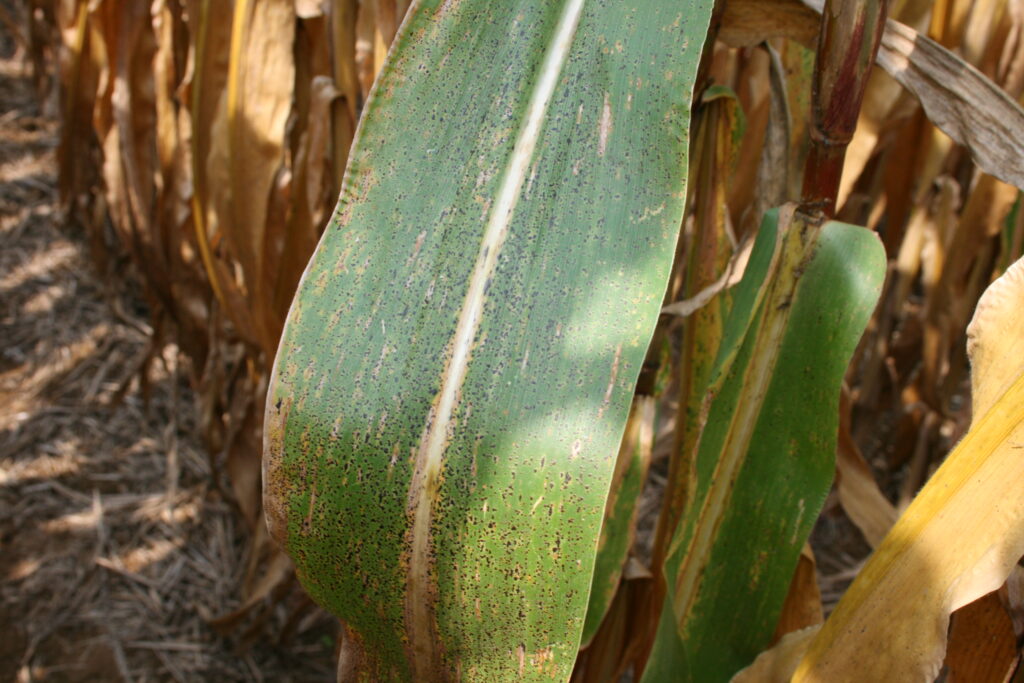
Photo of tar spot lesions on corn leaf
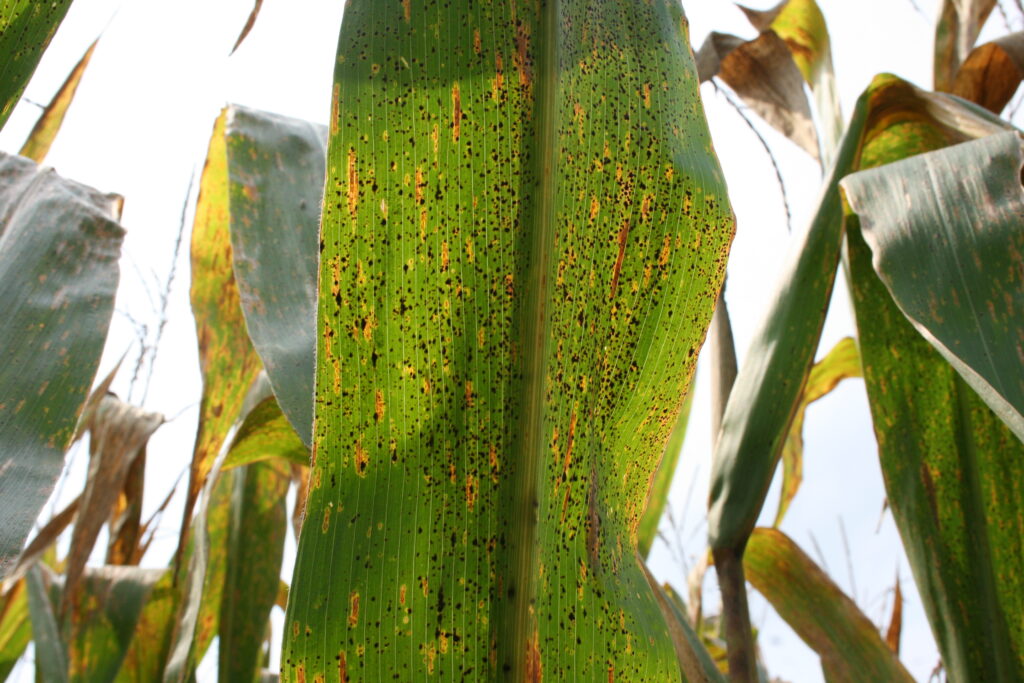
Black tar spot lesions on corn leaf
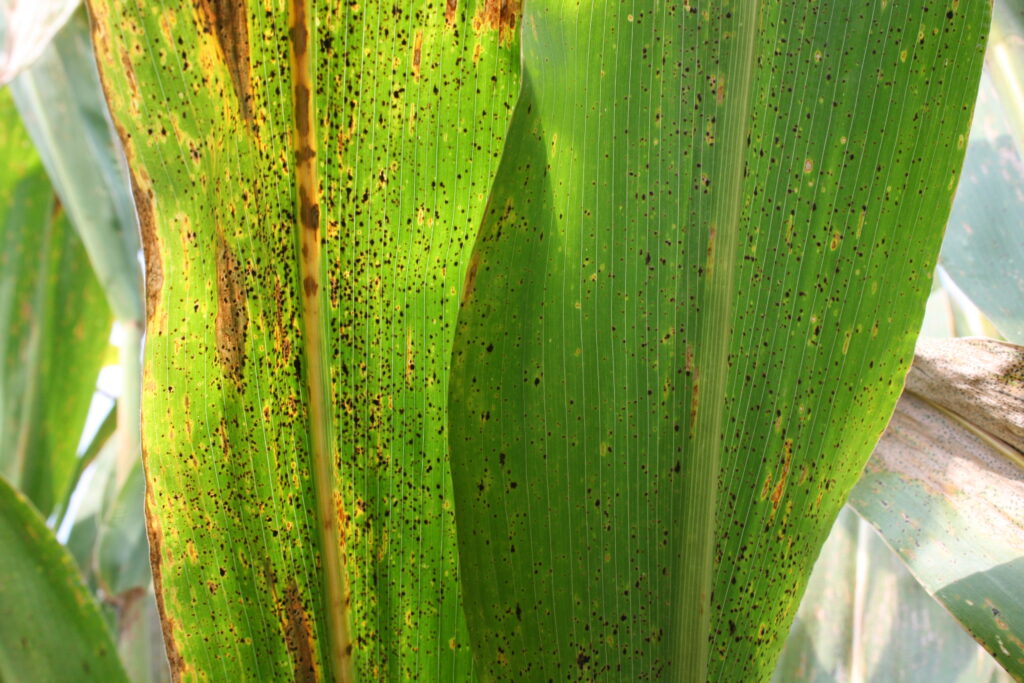
Close-up of tar spot lesions
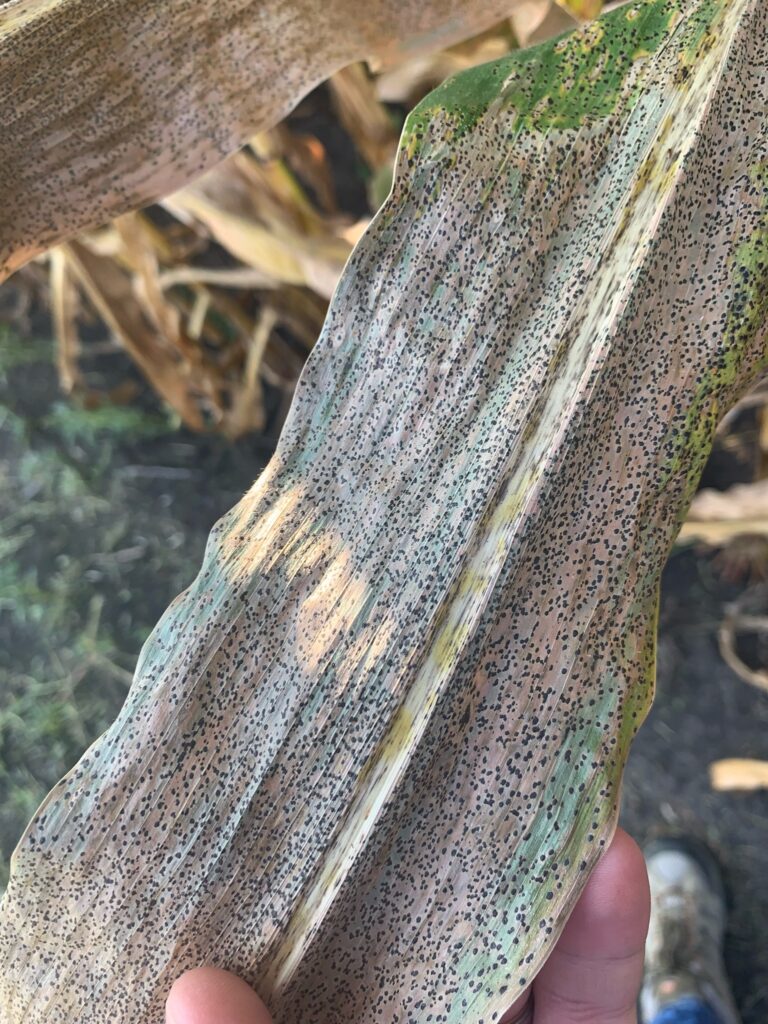
Heavy tar spot infection reduces yield potential
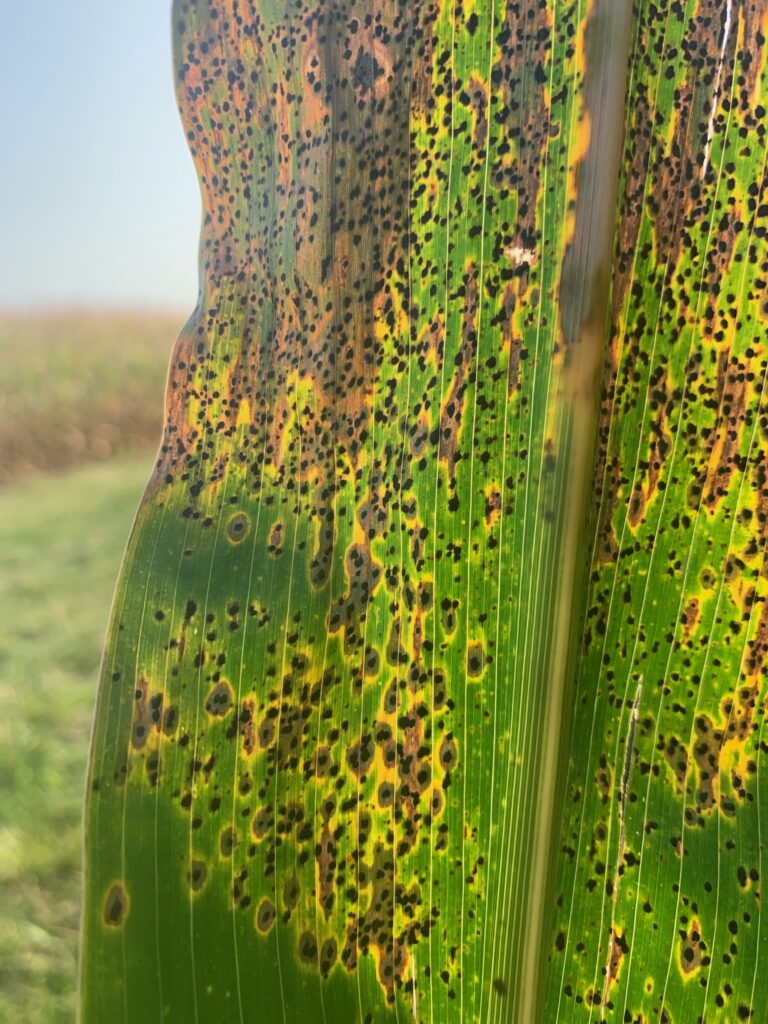
Tar spot lesions
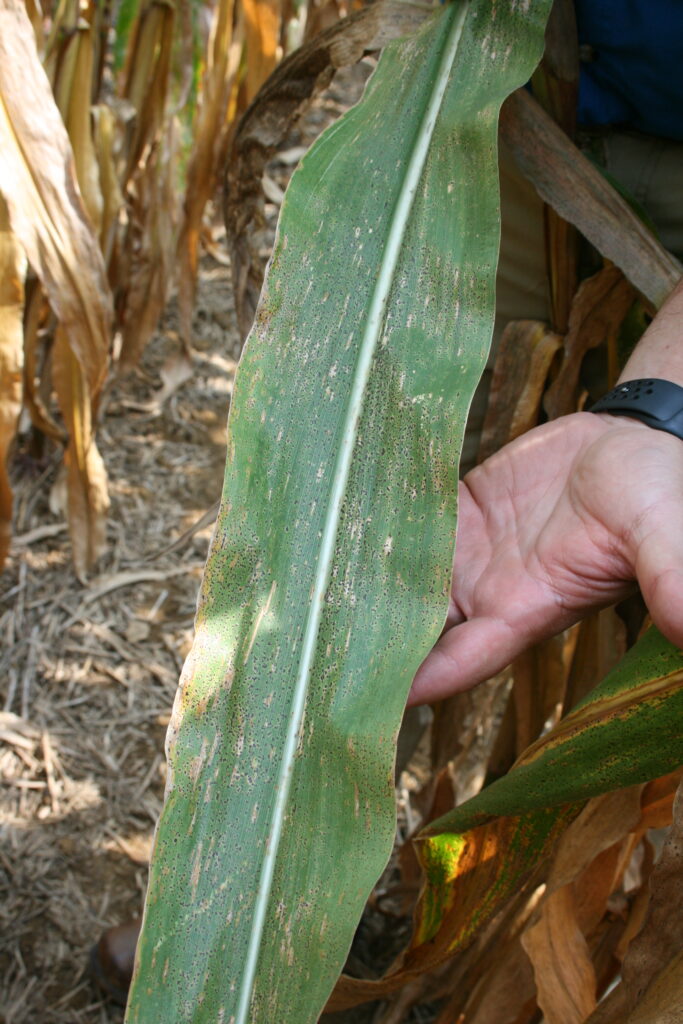
Raised black spots appear on leaf surfaces
Expand to Learn More Minimize
Understanding Tar Spot in Corn
Tar spot develops when Phyllachora maydis infects corn leaves and cycles rapidly under favorable environmental conditions. Once established, the disease can intensify quickly, particularly when cool temperatures and extended moisture persist. The disease can manifest in three key ways:

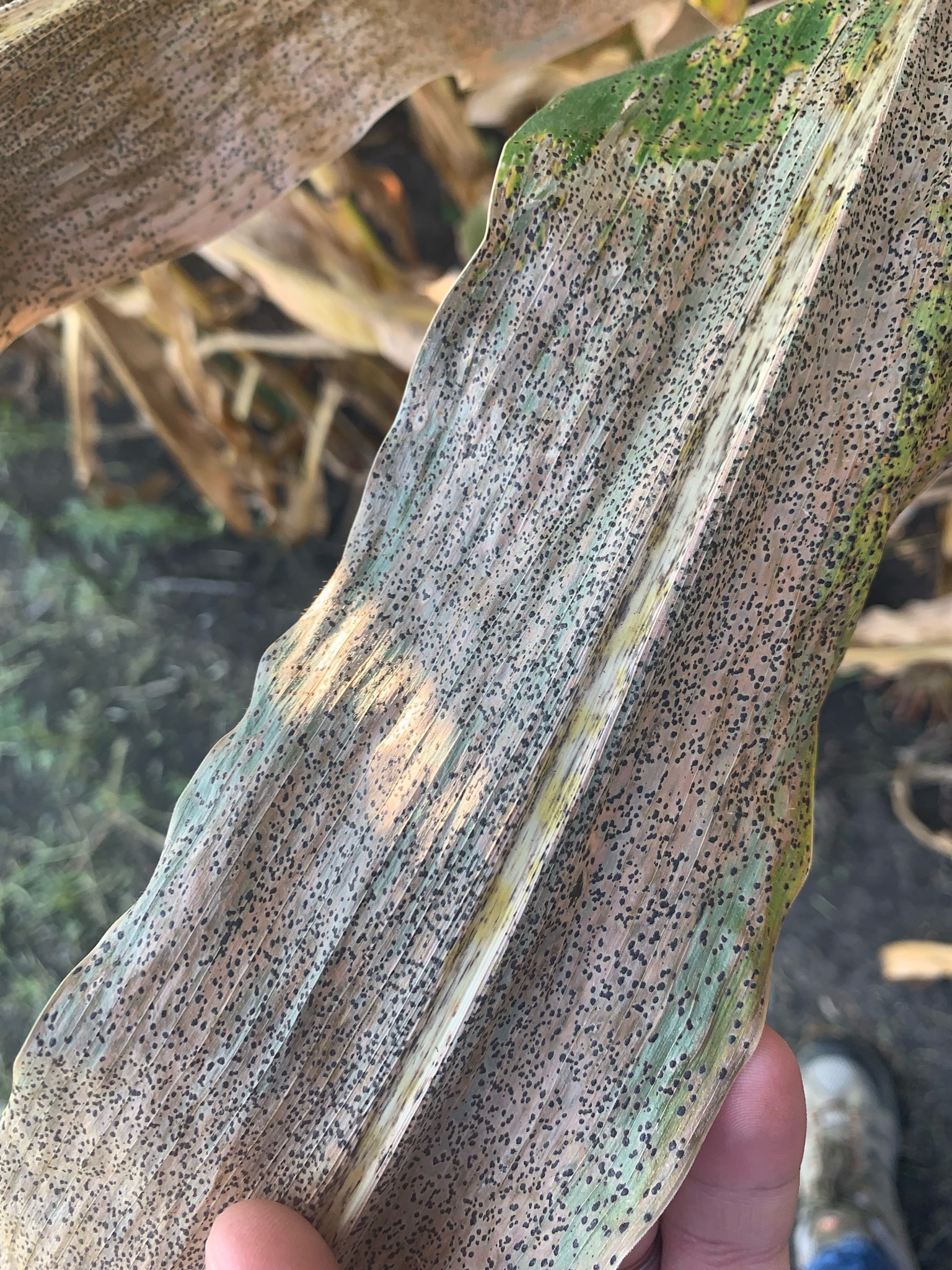
Leaf lesion development
Small, black tar‑like spots form on leaf surfaces and increase in number.
Canopy blighting
Loss of green leaf tissue accelerates as lesions spread and merge.
Yield impact
Reduced photosynthesis during grain fill limits kernel development and test weight.
Why Tar Spot Matters
Tar spot is an emerging and highly destructive corn disease that can cause significant yield loss when infection occurs early and conditions remain favorable. Hybrids under stress are more susceptible to tar spot infection and yield loss. In 2025, it was the second-leading cause of yield loss in the U.S. Its rapid spread and aggressive nature make early detection, timely management and potential two-pass applications critical to protecting yield potential and crop standability. A fungicide that provides strong stress mitigation can be most useful to preserve yield potential in the presence of tar spot, since hybrids under stress are more susceptible.
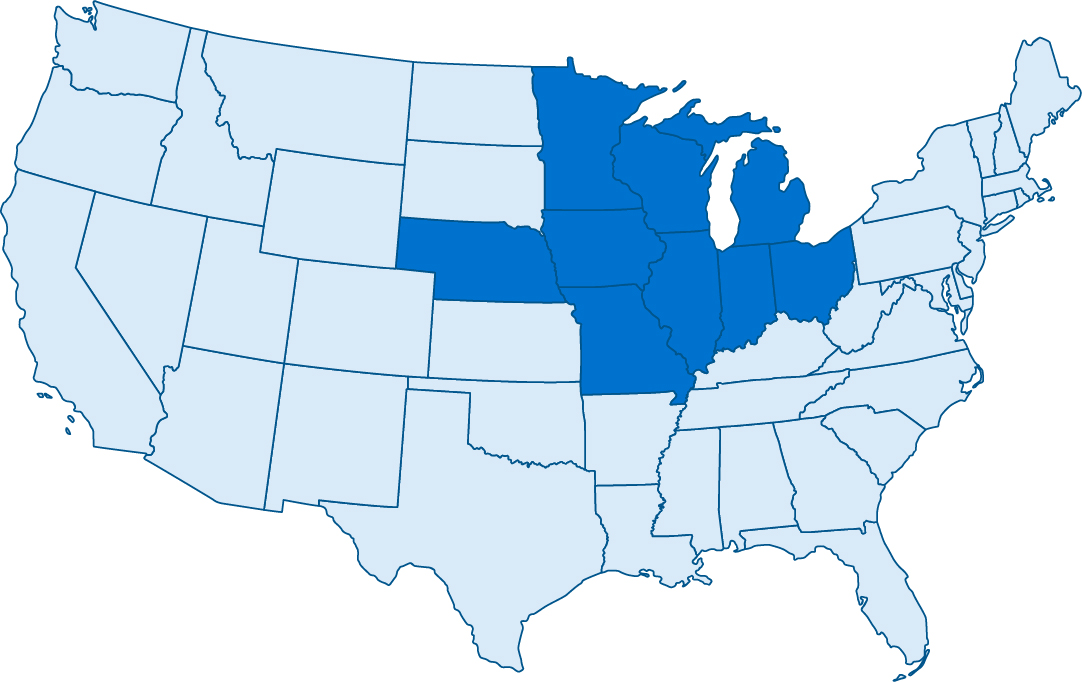
Since tar spot thrives in cool temperatures and prolonged leaf wetness, it is most commonly reported in the Midwest like Illinois, Indiana and Iowa, where extended moisture allows it to spread and intensify quickly.
The Solution
Use Miravis Neo to Fight Tar Spot

Use Miravis Neo to Fight Tar Spot
- Active Ingredients: ADEPIDYN® technology, Azoxystrobin, Propiconazole
- Why Miravis Neo Works: Delivers dual-yield protection with broad‑spectrum disease control with a long‑lasting residual and added plant‑health benefits.
- Crops: Corn and Soybeans
- Benefits: Delivers consistent, comprehensive control and is the only premium fungicide labeled for Fusarium / Gibberella ear rots.
Why Use a Cleaner & Greener Fungicide?
From disease to crop stress, you don't know what the season will bring so your yield potential needs protection on all fronts! That's why only Cleaner & Greener fungicides are powered by exclusive ADEPIDYN® and SOLATENOL® technologies to provide a step change in broad-spectrum disease control and protection from crop stress like drought.