Sorry, there are currently no trials for in . Showing nearby available trials.
Showing Results for
The Problem
Jump to the SolutionHead Scab
- Cause: Fusarium graminearum
- Environment: Cool to moderate temperatures combined with prolonged moisture
- Timing: Infection occurs during flowering, when spores infect the wheat head. Symptoms become visible shortly after flowering and through grain fill.
- Appearance: Bleached or straw-colored spikelets while the rest of the head remains green. Pink to salmon-colored fungal growth may be visible at the base of infected spikelets. Infected kernels are often shriveled, lightweight and discolored.
- Risk: Yield loss and decreased grain quality.l
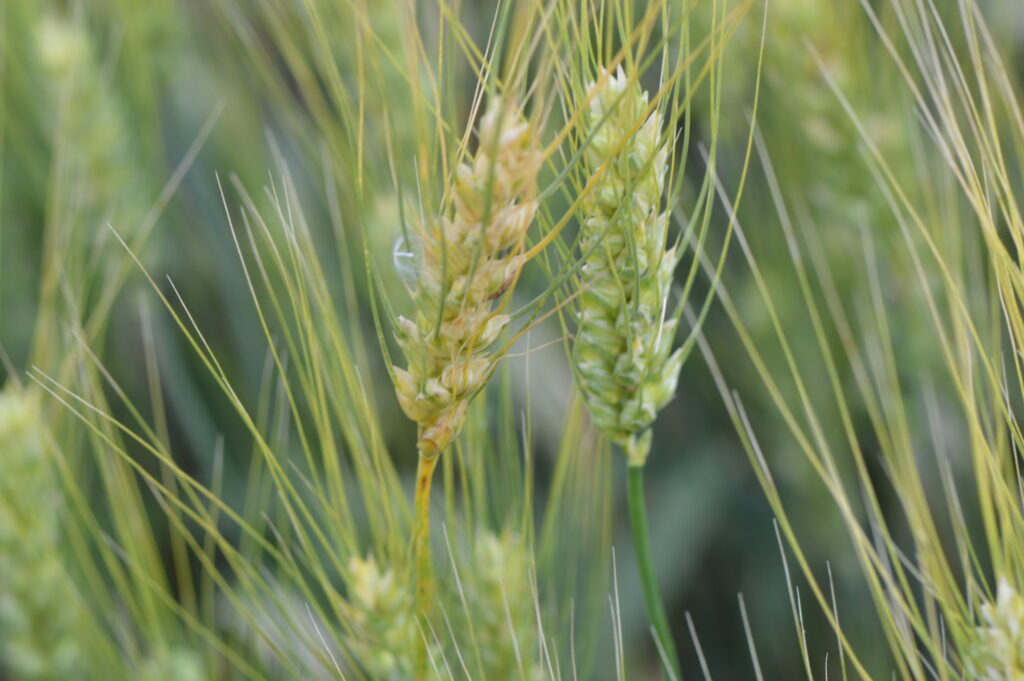
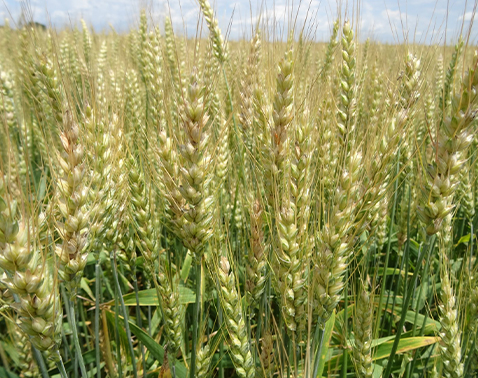
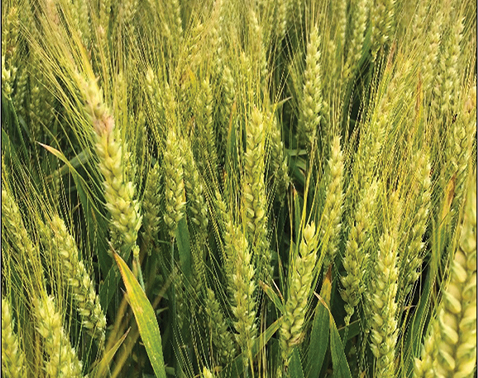
Image showing head scab in wheat
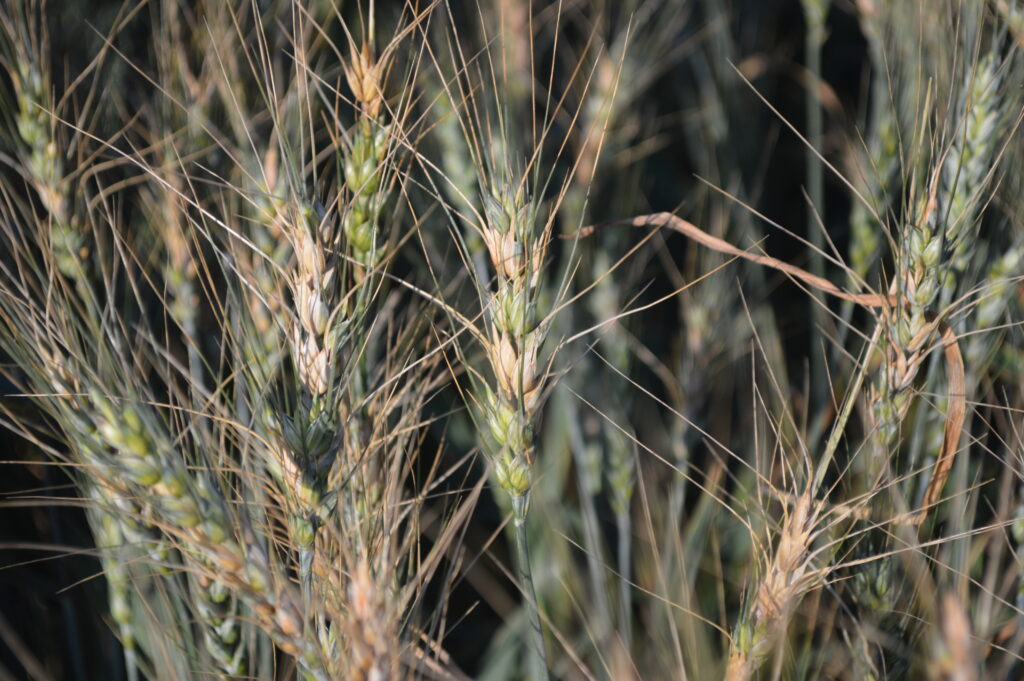
Head scab infected wheat plants
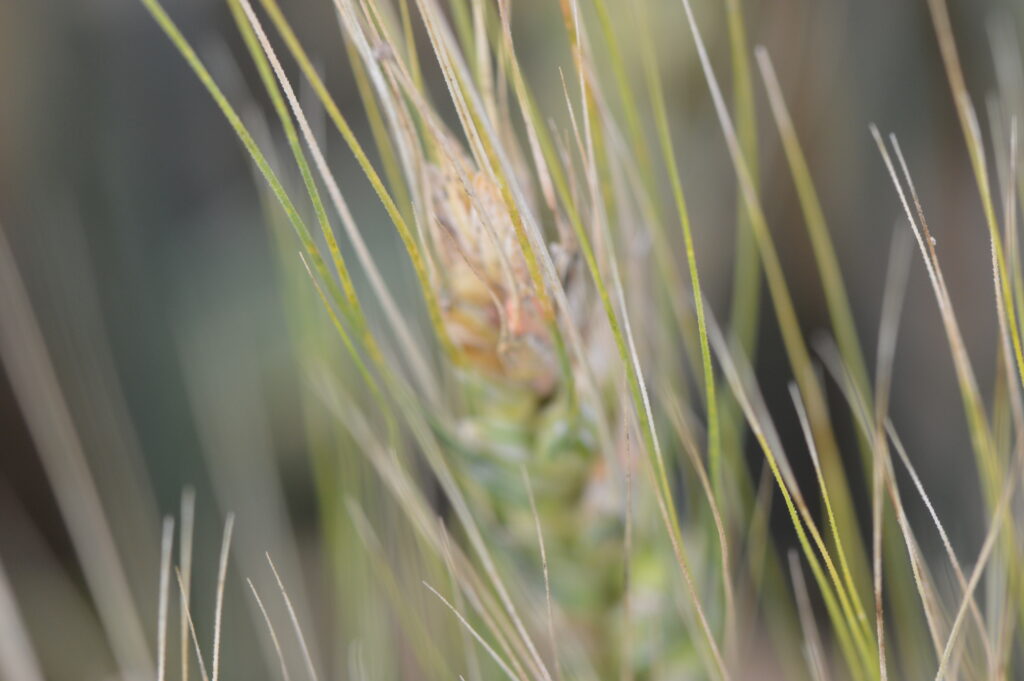
Close up of head scab in wheat
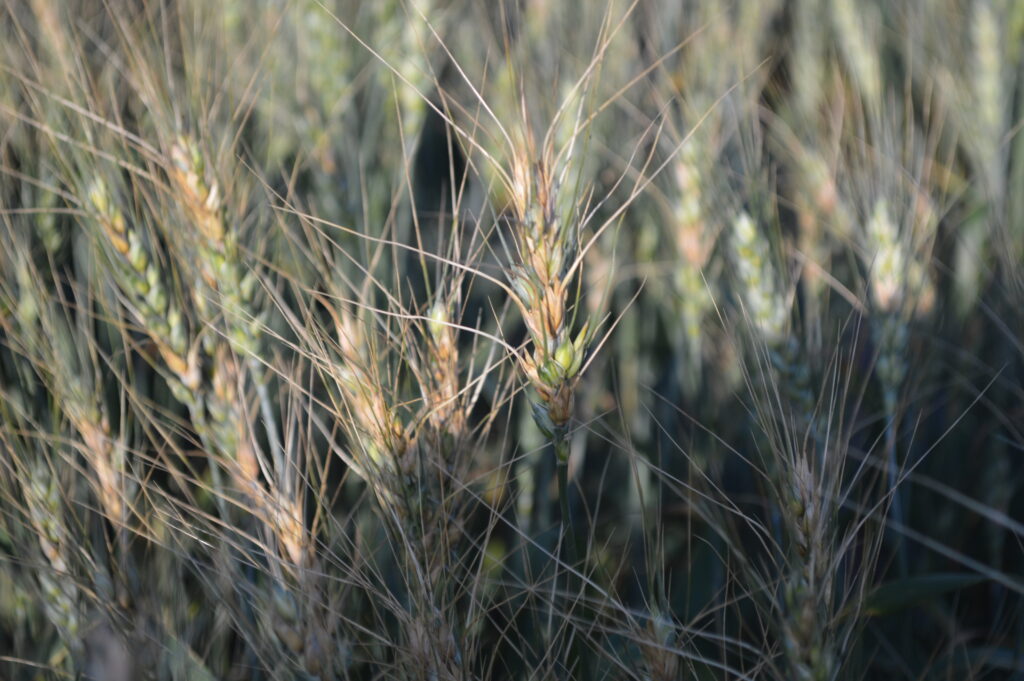
Photo of head scab infected wheat crops
Pink fungal growth appears on infected spikelets
Infected grain becomes shriveled and lower quality
Expand to Learn More Minimize
Understanding Head Scab in Wheat
Head scab develops when Fusarium graminearum infects wheat heads during flowering under wet, favorable conditions. Because infection timing is narrow and symptoms may vary in severity, the disease can be difficult to manage once established. The disease can manifest in three key ways:

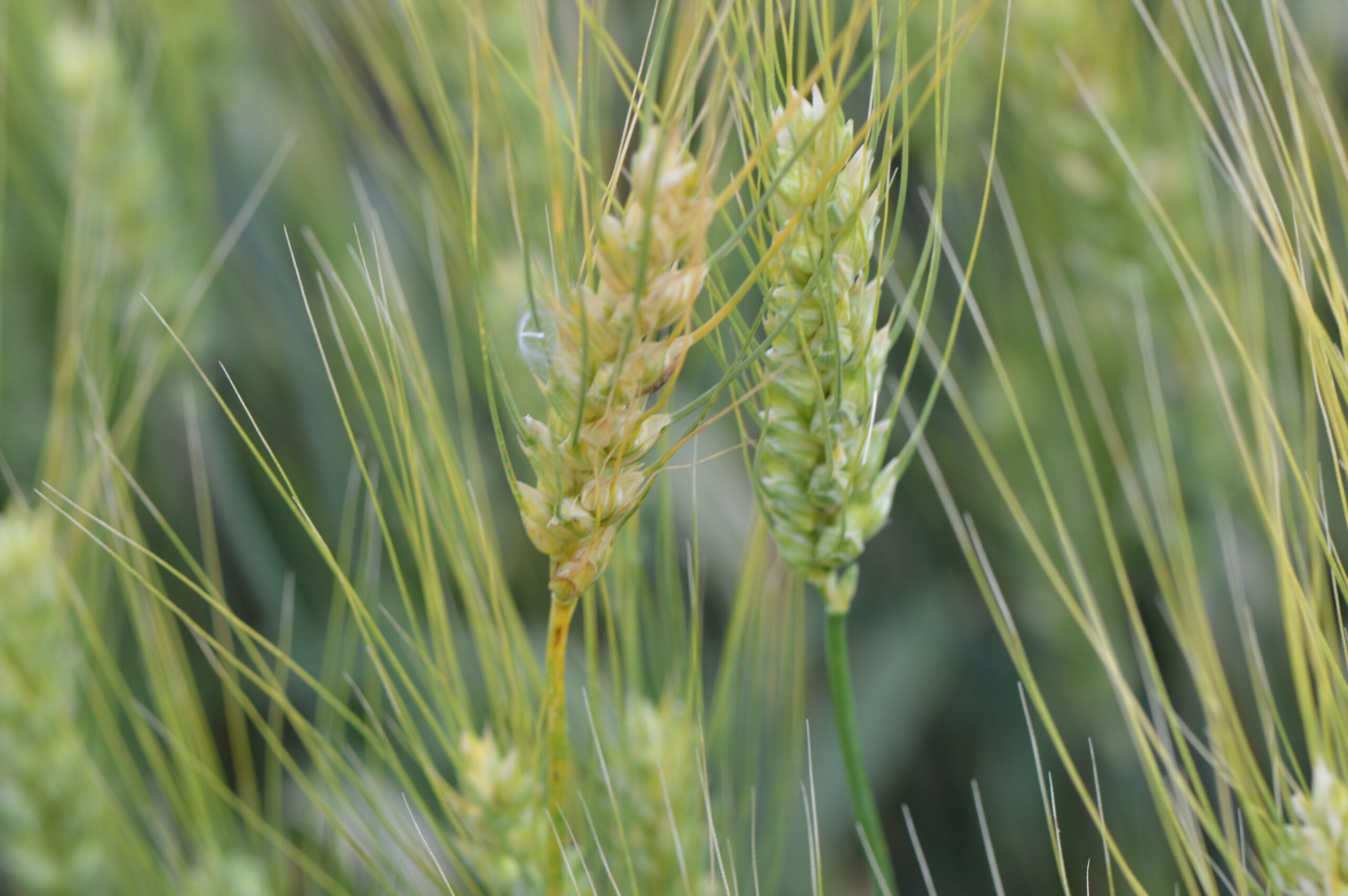
Spikelet infection
Individual spikelets bleach prematurely, reducing grain fill
Kernel damage
Infected kernels become shriveled and lightweight
Mycotoxin contamination
Grain may contain DON, even when visual symptoms appear limited.
Why Head Scab Matters
Head scab is one of the most economically damaging diseases of wheat due to its impact on yield, grain quality and marketability. DON contamination poses serious risks to livestock health and can restrict grain movement. Fungicide application and timing is critical to protecting yield potential and preserving grain value.
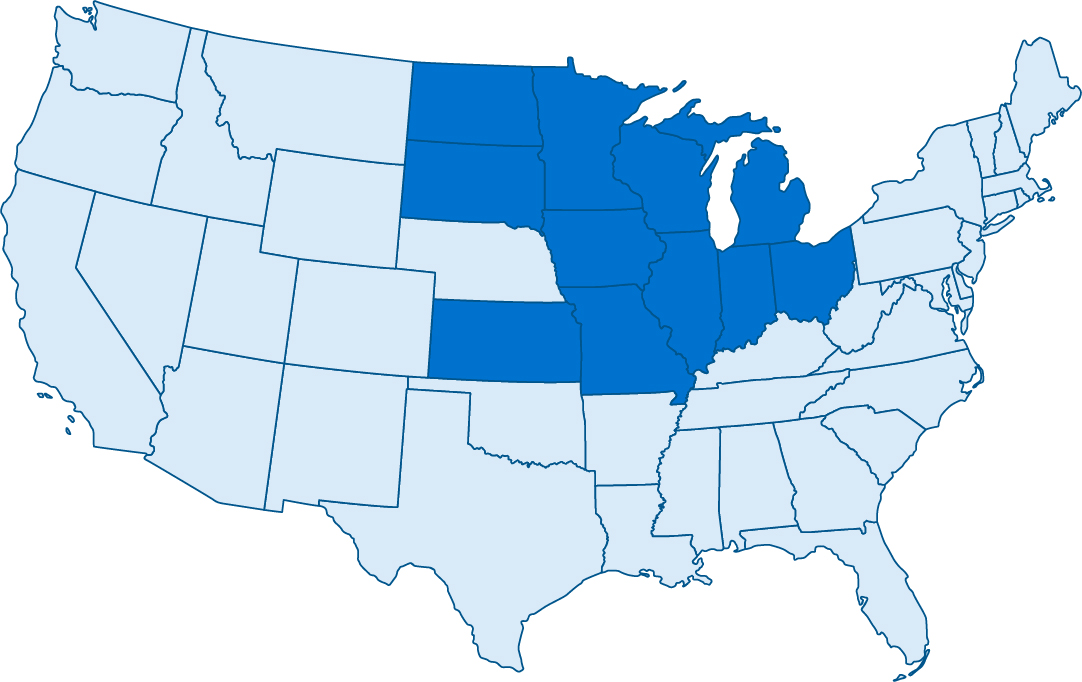
Since head scab infection occurs during flowering under warm, wet conditions, it is most commonly found across key wheat-growing regions like Kansas, Nebraska and South Dakota, when rainfall during flowering increases risk.
The Solution
Use Miravis Ace to Fight Head Scab

Use Miravis Ace to Fight Head Scab
- Active Ingredients: ADEPIDYN® technology, Propiconazole
- Why Miravis Ace Works: Gives you longer-lasting, more effective disease control so that no tillers are left behind – even the ones that haven’t flowered yet
- Crops: Wheat
- Benefits: Offers control of Fusarium head blight and plant-health benefits to improve grain quality and profit potential.
Why Use a Cleaner & Greener Fungicide?
From disease to crop stress, you don't know what the season will bring so your yield potential needs protection on all fronts! That's why only Cleaner & Greener fungicides are powered by exclusive ADEPIDYN® and SOLATENOL® technologies to provide a step change in broad-spectrum disease control and protection from crop stress like drought.