Sorry, there are currently no trials for in . Showing nearby available trials.
Showing Results for
The Problem
Jump to the SolutionFusarium Ear Rot
- Cause: Fusarium Verticilliodes
- Environment: Most often associated with warm conditions and plant stress.
- Timing: Infection typically begins around silking (R1), and symptoms become visible later in the season (R4-R6).
- Appearance: Scattered, discolored kernels on the ear. Infected kernels may show a white or lavender mold in a “starburst” pattern. In severe cases, large portions of the ear may rot.
- Risk: Yield loss, decreased grain quality and mycotoxin contamination.
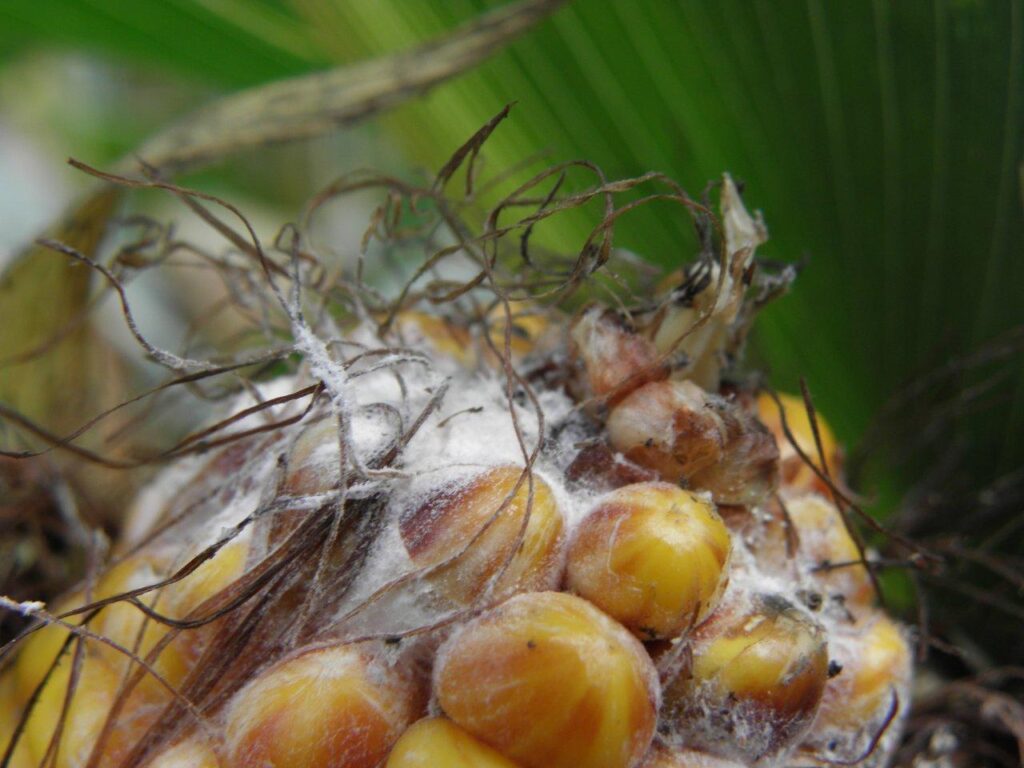
Close up of Fusarium ear rot on corn cob
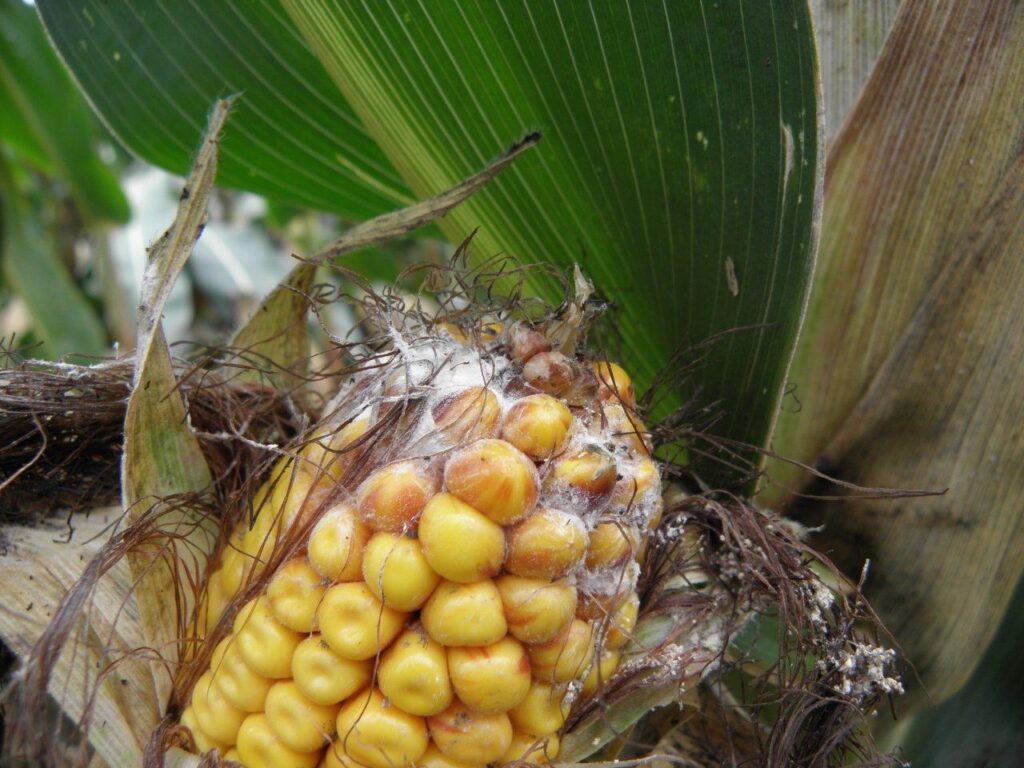
Corn cob infected with Fusarium ear rot
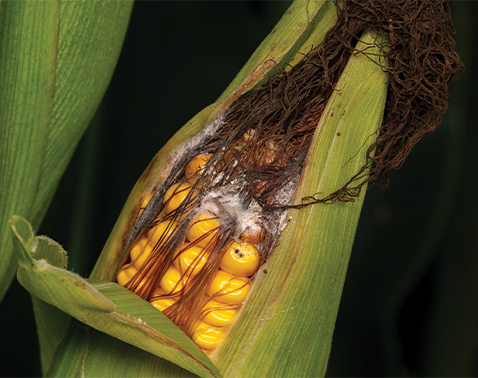
Severe ear rot infection reduces grain quality
Expand to Learn More Minimize
Understanding Fusarium Ear Rot in Corn
Fusarium ear rot develops when Fusarium spp. fungi infect corn ears during or shortly after pollination, often following insect injury or other physical damage to the ear. The disease can manifest in three key ways:

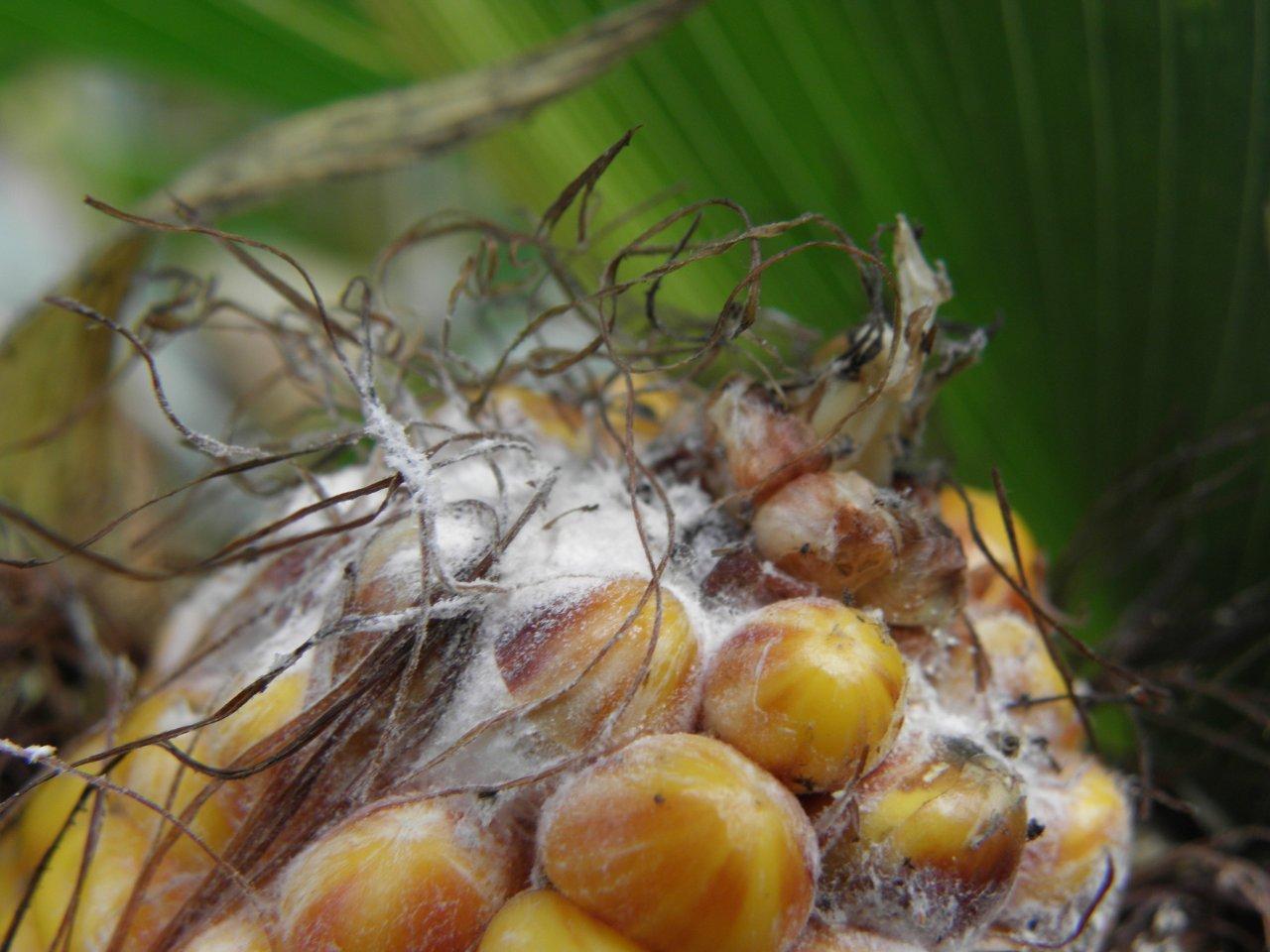
Kernel infection
Individual or clustered kernels become discolored and moldy, often near areas of insect feeding
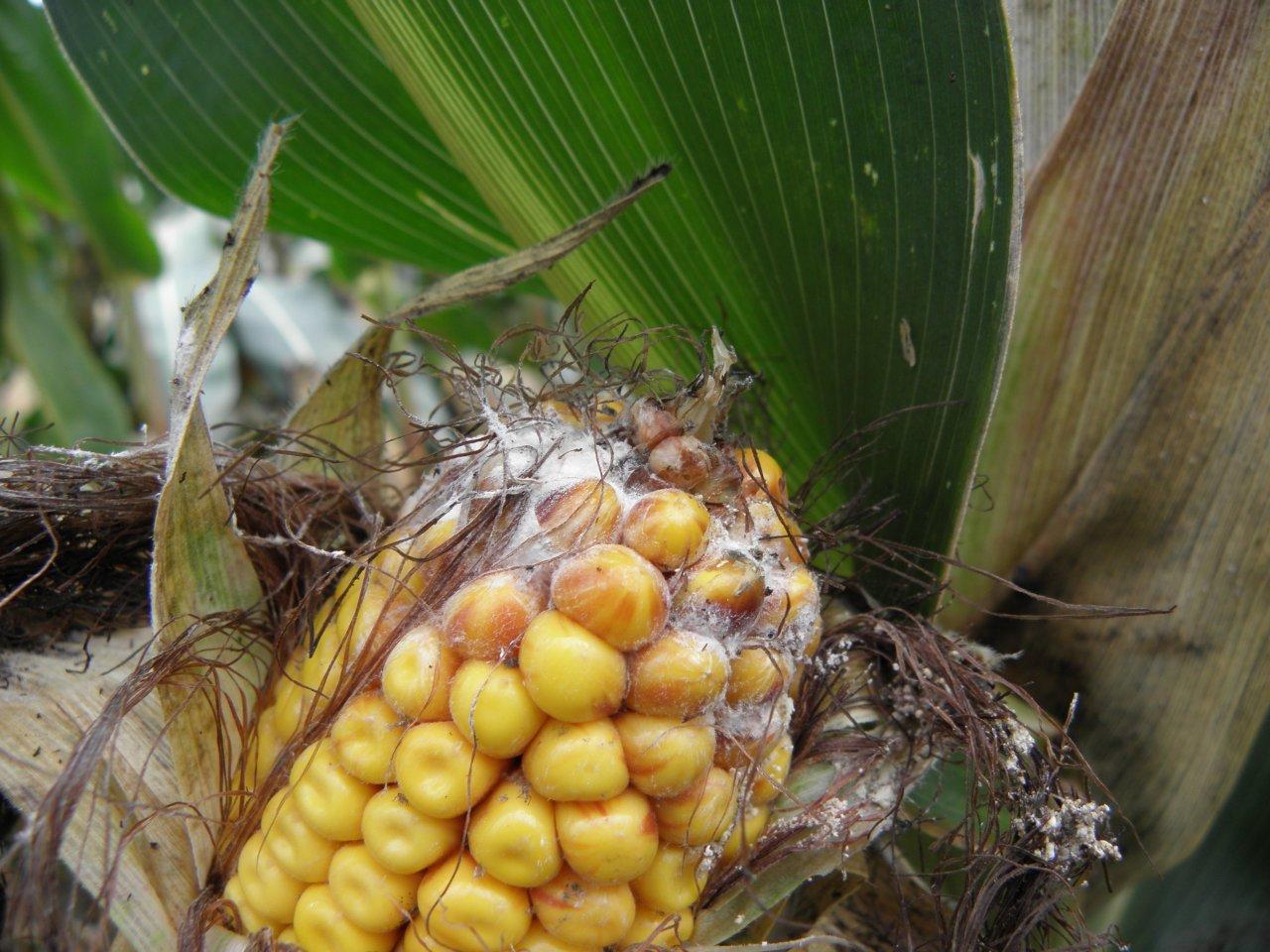
Ear rot development
Mold growth spreads across portions of the ear under favorable conditions
Mycotoxin contamination
Infected grain may contain mycotoxins, even when visual symptoms are mild.
Why Fusarium Ear Rot Matters
Fusarium ear rot is one of the most common ear mold diseases of corn and poses significant risks to grain quality and end-use value. Even low levels of visible infection can result in mycotoxin contamination, leading to grain discounts, rejection or feeding restrictions.
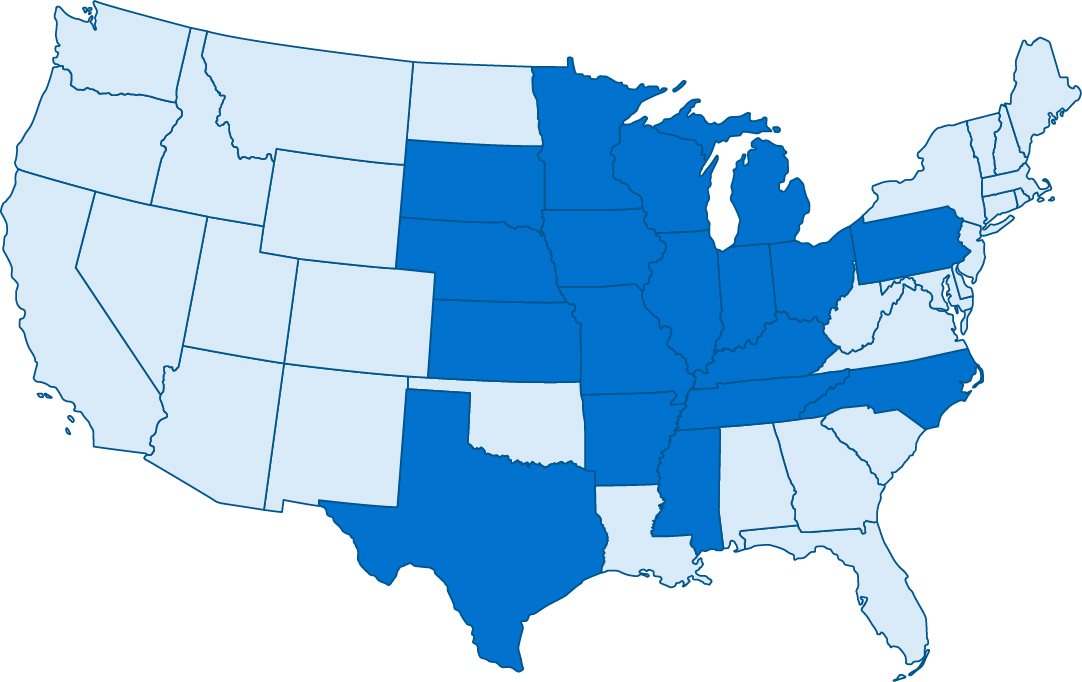
Since Fusarium ear rot is associated with heat, drought stress and insect injury, it is most common across the southern and western Corn Belt like Kansas, Nebraska and Missouri, where stress conditions increase risk.
The Solution
Use Miravis Neo to Fight Fusarium Ear Rot

Use Miravis Neo to Fight Fusarium Ear Rot
- Active Ingredients: ADEPIDYN® technology, Azoxystrobin, Propiconazole
- Why Miravis Neo Works: Delivers dual-yield protection with broad‑spectrum disease control with a long‑lasting residual and added plant‑health benefits.
- Crops: Corn and Soybeans
- Benefits: Delivers consistent, comprehensive control and is the only premium fungicide labeled for Fusarium / Gibberella ear rots.
Why Use a Cleaner & Greener Fungicide?
From disease to crop stress, you don't know what the season will bring so your yield potential needs protection on all fronts! That's why only Cleaner & Greener fungicides are powered by exclusive ADEPIDYN® and SOLATENOL® technologies to provide a step change in broad-spectrum disease control and protection from crop stress like drought.