Sorry, there are currently no trials for in . Showing nearby available trials.
Showing Results for
The Problem
Jump to the SolutionFrogeye Leaf Spot
- Cause: Cercospora sojina
- Environment: Requires moisture to grow and prefers warm, humid conditions
- Timing: Can occur at any point in the season, but most commonly develops after flowering through pod development and fill.
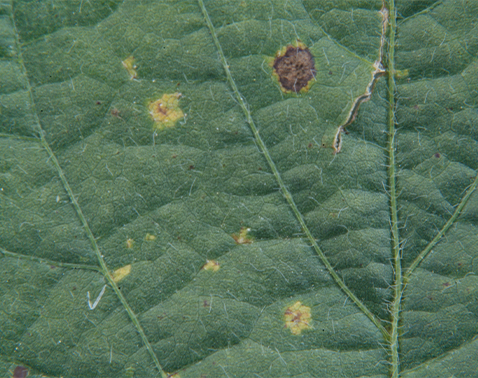
- Appearance: Small lesions with light gray or tan centers, surrounded by a dark reddish-brown or purple border. Gray, fuzzy fungal growth may be visible on the underside of the lesions.
- Risk: Upper canopy blighting, defoliation and decreased yield potential
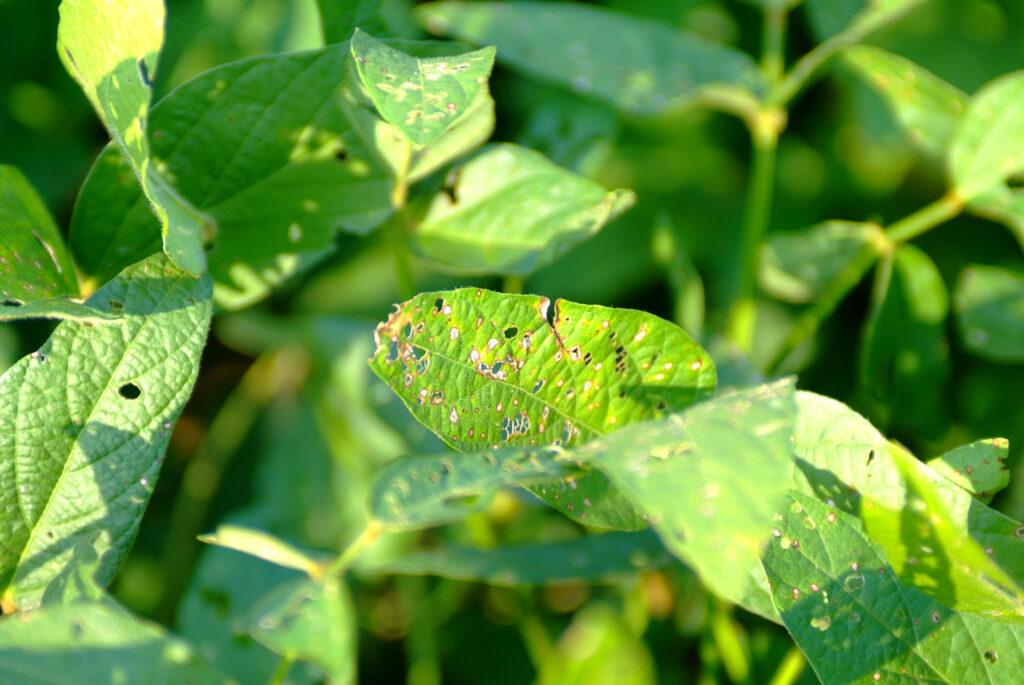
Soybean leaf affected by frogeye leaf spot
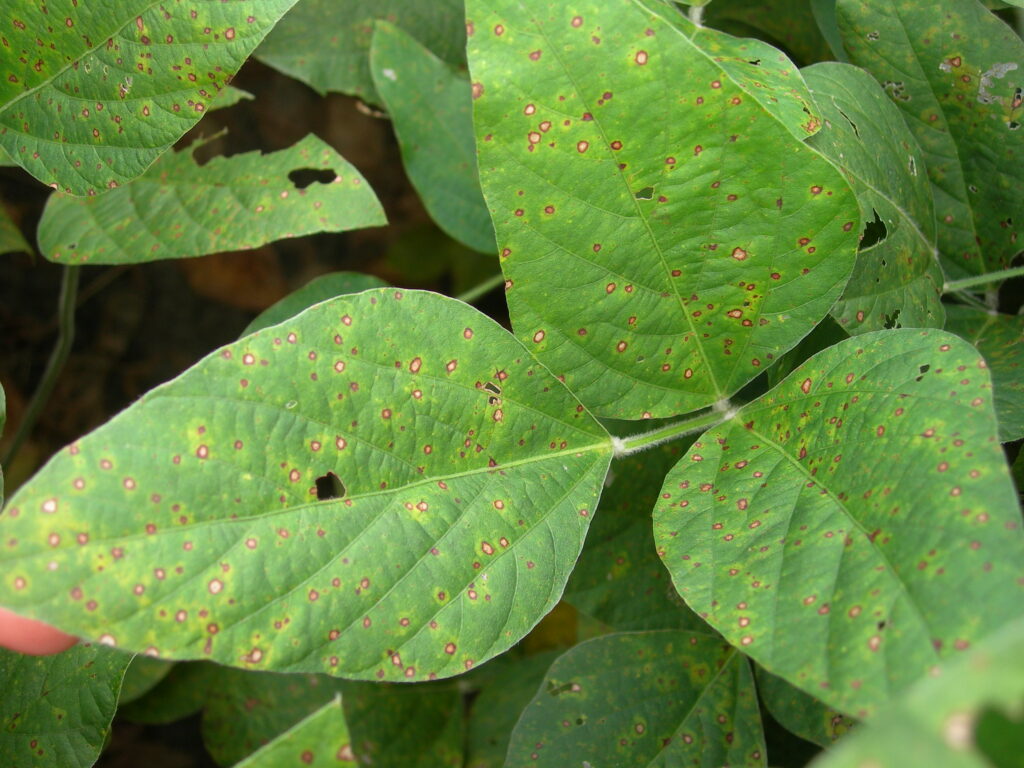
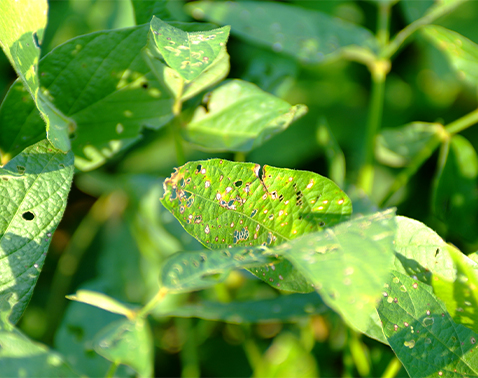
Image of frogeye leaf spot lesions on a soybean plant
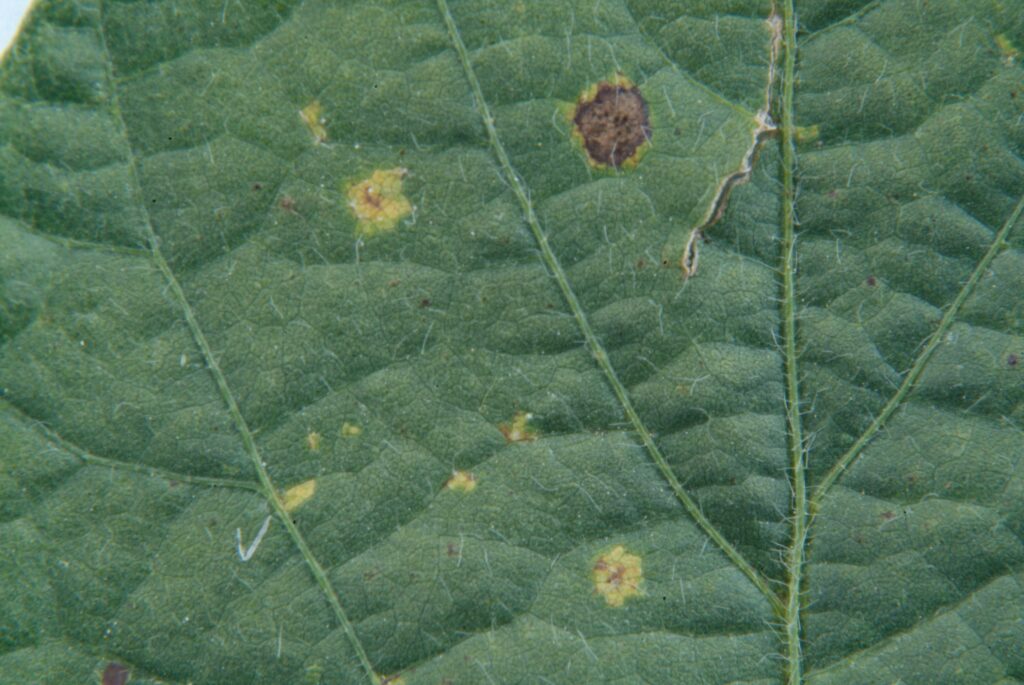
Close-up of frogeye leaf spot lesion
Expand to Learn More Minimize
Understanding Frogeye Leaf Spot in Soybeans
Frogeye leaf spot is caused by the fungus Cercospora sojina. It can survive between seasons on infected soybean residue and may also be seed-borne, allowing it to move into new fields via infected seed or volunteer soybeans. The disease can manifest in three key ways:

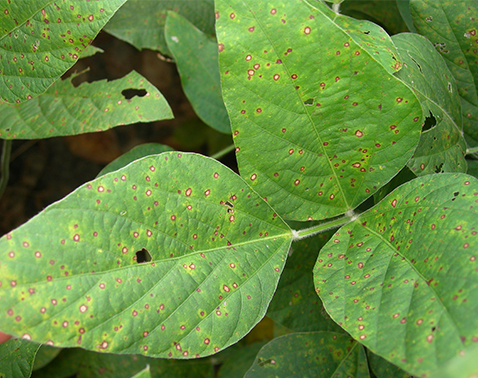
Leaf lesions
Frogeye leaf spot symptoms usually appear first on young, upper canopy leaves
Yellowing and defoliation
As disease severity increases, lesions may enlarge and merge, causing yellowing and premature leaf drop
Progression based on weather
In humid conditions, gray, fuzzy fungal growth may be visible on the underside of lesions. Severe infections can lead to upper canopy blighting and defoliation.
Why Frogeye Leaf Spot Matters
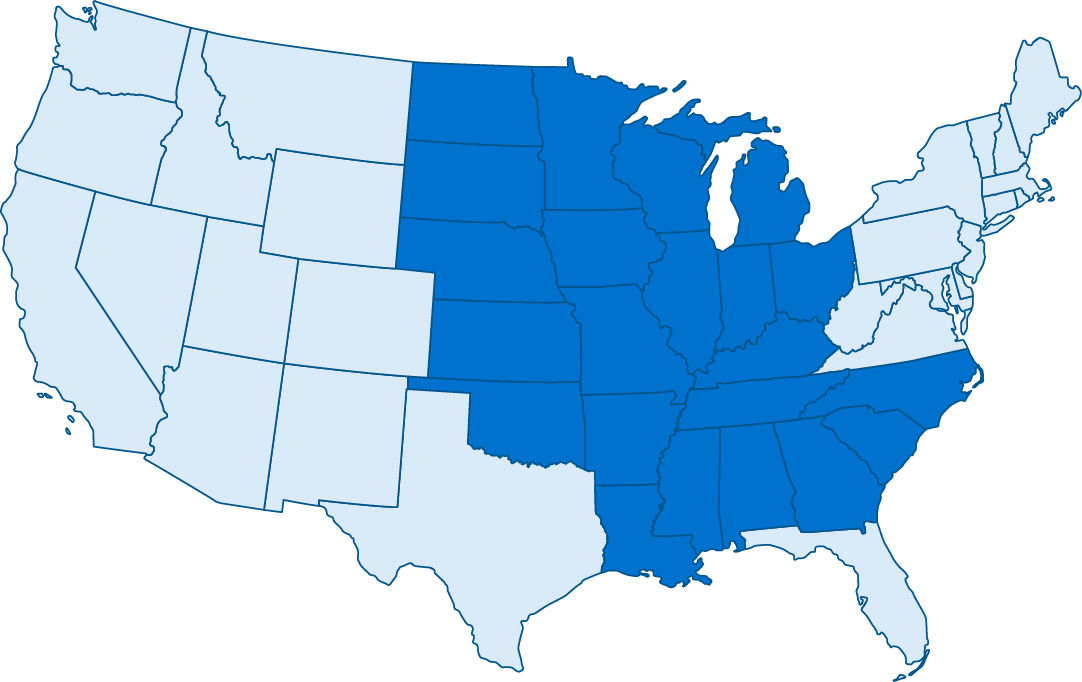
Frogeye leaf spot was historically concentrated in the Southern U.S. However, over the past decade, it has expanded into over 18 soybean-producing states across the U.S. and has also started developing resistance to strobilurin fungicides. With potential yield losses of 60%, it is important to use multiple modes of action in fungicide applications to protect against future resistance development.
Since frogeye leaf spot prefers warm, humid weather and can persist in crop residue, it is most commonly reported across the southern Soybean Belt like Arkansas, Mississippi and Tennessee, though it can move North into Illinois, Indiana and Iowa if conditions are right.
The Solution
Use Miravis Top to Fight Frogeye Leaf Spot

Use Miravis Top to Fight Frogeye Leaf Spot
- Active Ingredients: ADEPIDYN® technology, Difenoconazole
- Why Miravis Top Works: Delivers broad-spectrum disease control against the toughest soybean diseases, including strobilurin-resistant frogeye leaf spot.
- Crops: Soybeans
- Benefits: Season after season, wet or dry, in up or down markets, Miravis Top helps drive yields higher with more powerful disease control and proven plant-health benefits
Why Use a Cleaner & Greener Fungicide?
From disease to crop stress, you don't know what the season will bring so your yield potential needs protection on all fronts! That's why only Cleaner & Greener fungicides are powered by exclusive ADEPIDYN® and SOLATENOL® technologies to provide a step change in broad-spectrum disease control and protection from crop stress like drought.